Playground Visualization: Building a 3D Sales Engine from Scratch
A 3D visualization pipeline that transformed a small EPDM safety surfacing business into a multi-product, multi-million dollar design and manufacturing operation.
- Role
- 3D Design Specialist
- Scope
- Specialty Manufacturing, Product Visualization
- Product Lines
- Safety Surfacing, Playgrounds, Site Amenities
- Annual Revenue Growth
- $10M+ (from a starting base under $500K)
A business that couldn't show what it was selling.
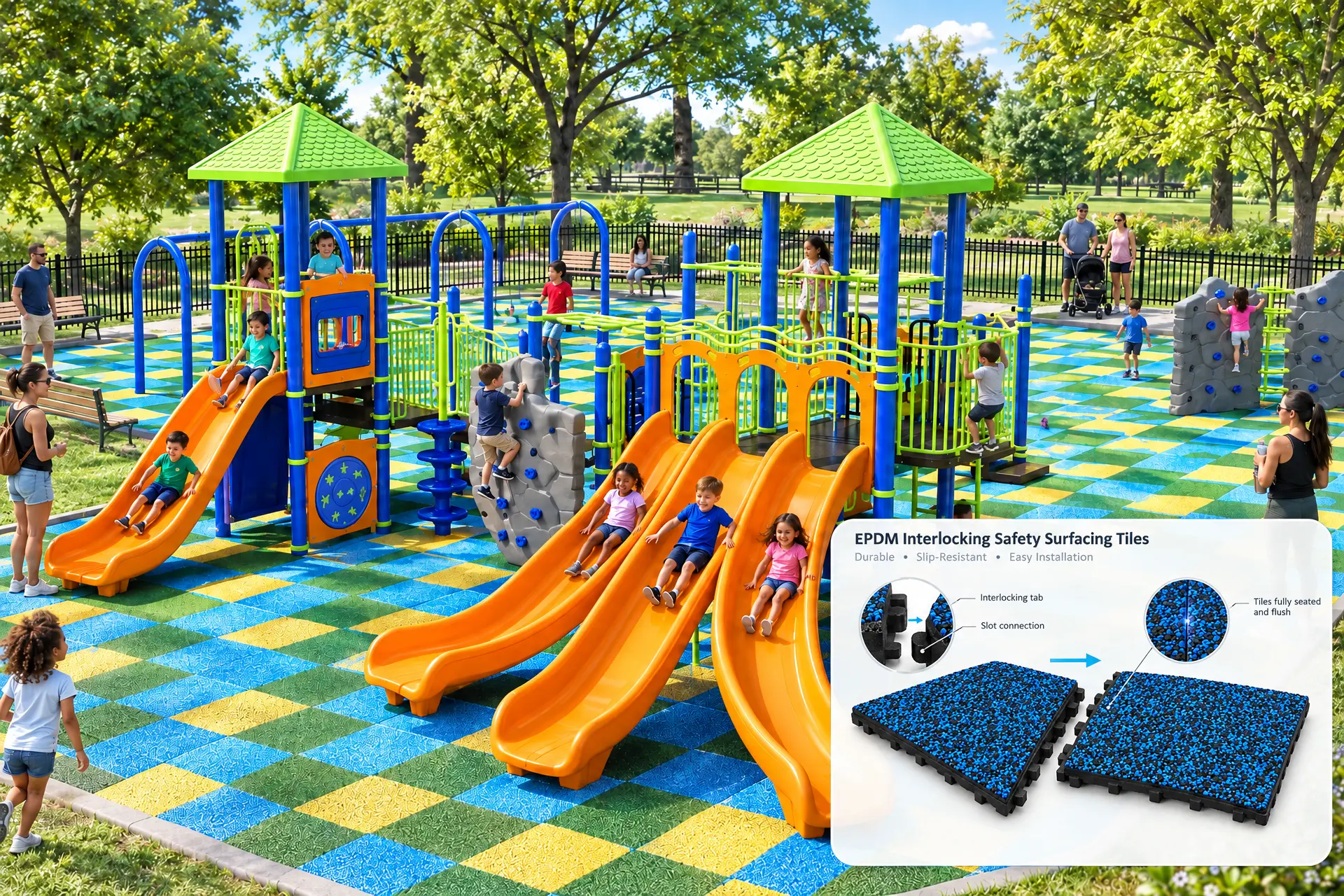
The company sold EPDM safety surfacing as a standalone product, priced between $5,000 and $20,000 per project based on square footage. Clients had no way to see what a finished installation would actually look like before committing, which capped both project size and client confidence.
A product line with untapped range.
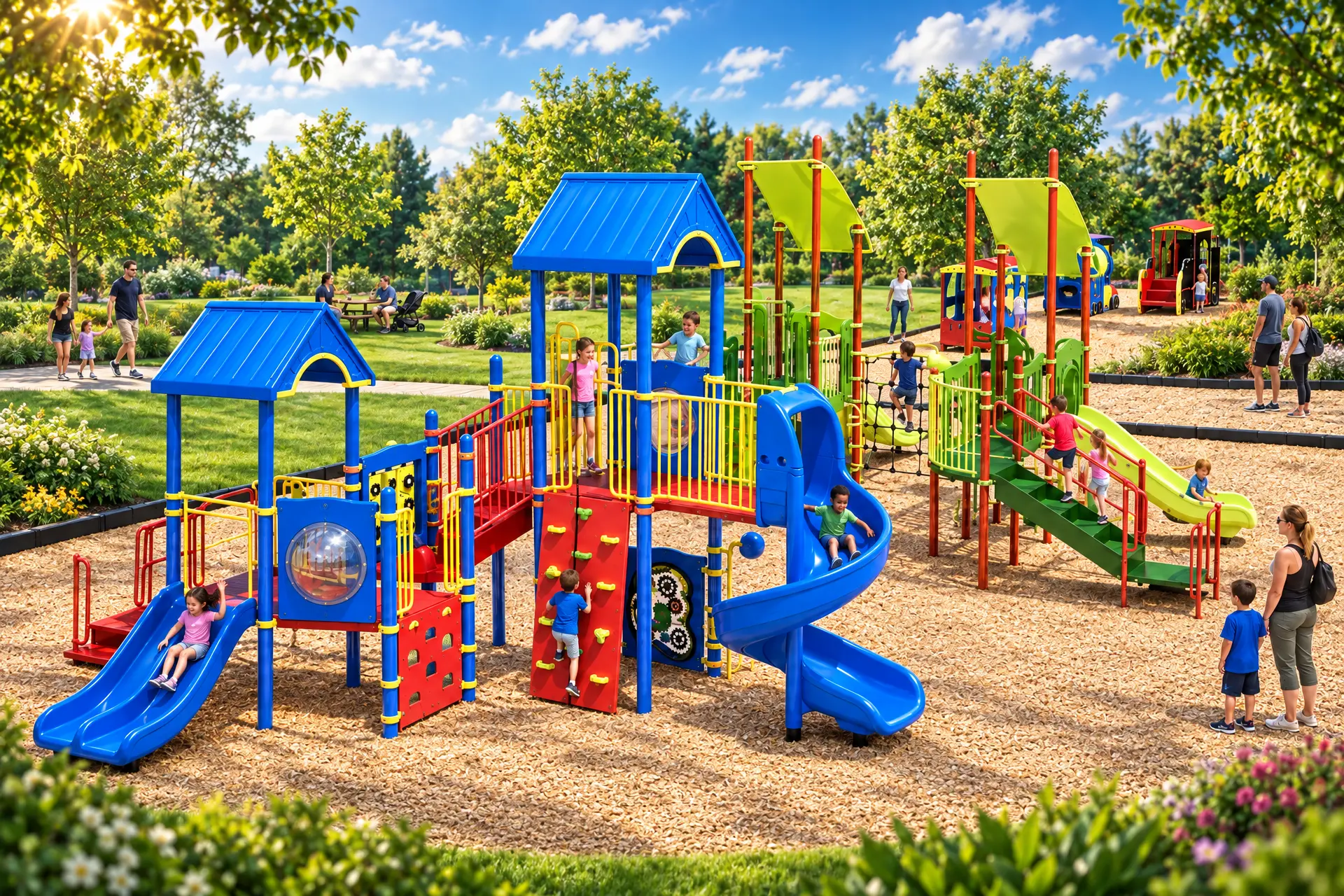
The underlying manufacturing capability could support far more than surfacing alone, full playground design, site amenities, and eventually branded product lines, but nothing in the sales process could demonstrate that range to a client.
Building the visualization capability from the ground up.
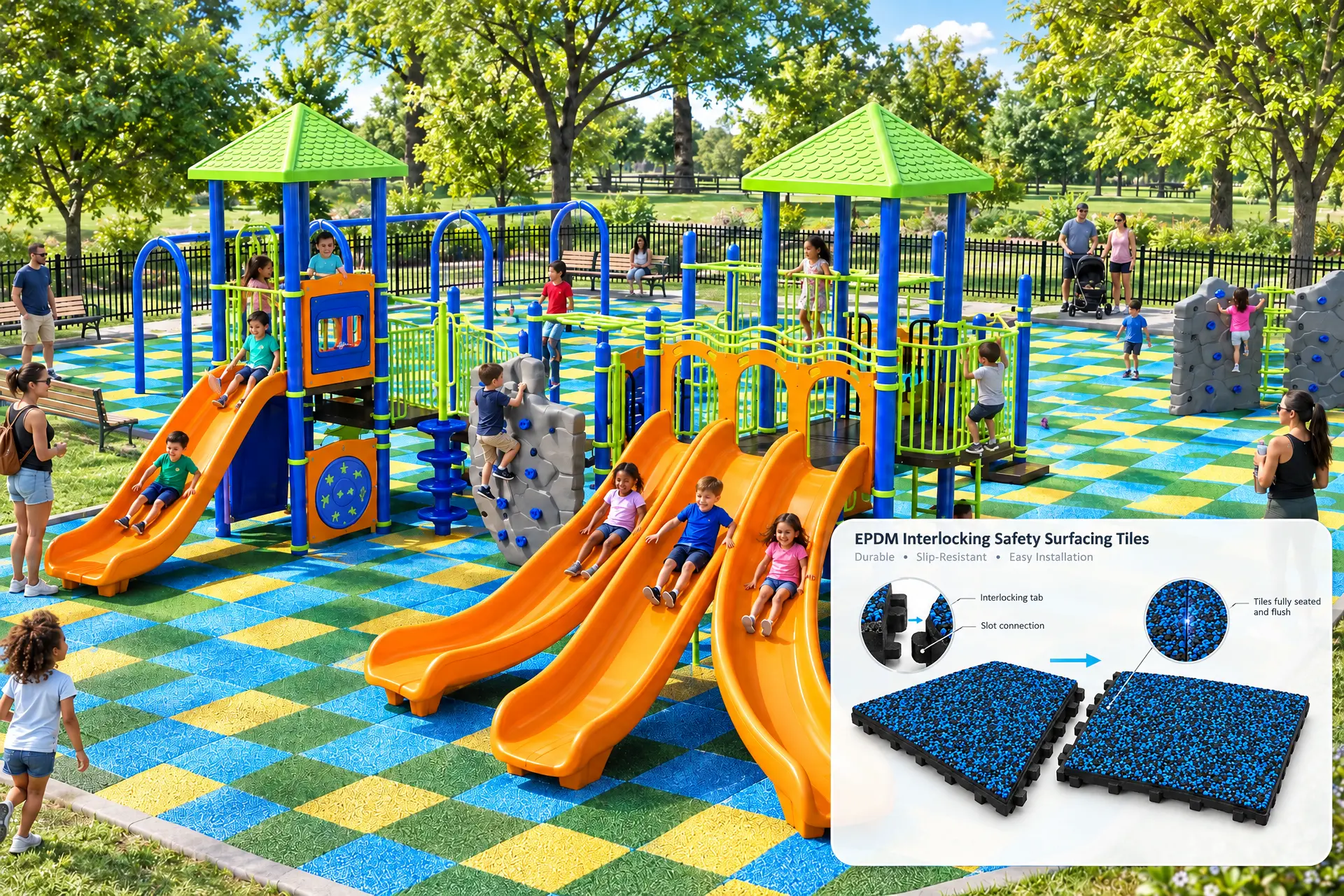
I built and ran the full 3D visualization pipeline personally: client site visits and photography, 3D modeling of the playground and surfacing to the client's exact structure, color, and theme, and rendering the surrounding environment so the finished result felt real before a single piece of equipment was ordered.
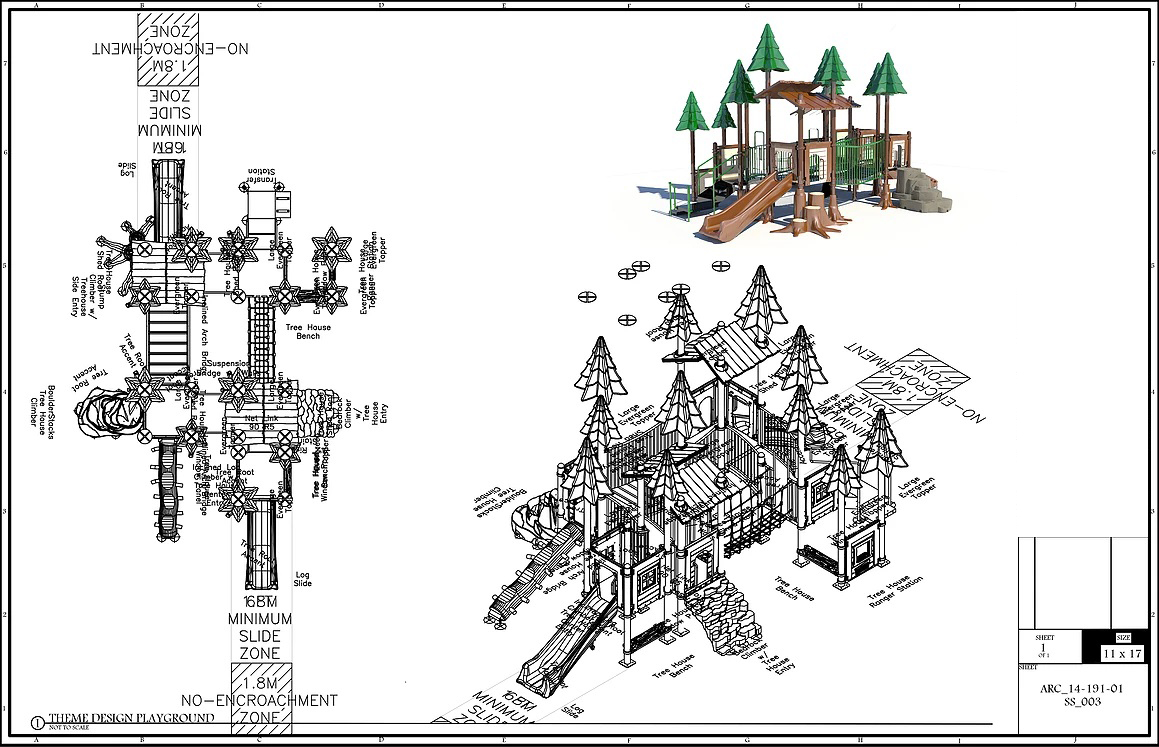
Site visits replaced guesswork.
Every project began on site, photographing the actual installation environment, so the 3D model reflected real conditions rather than a generic template.
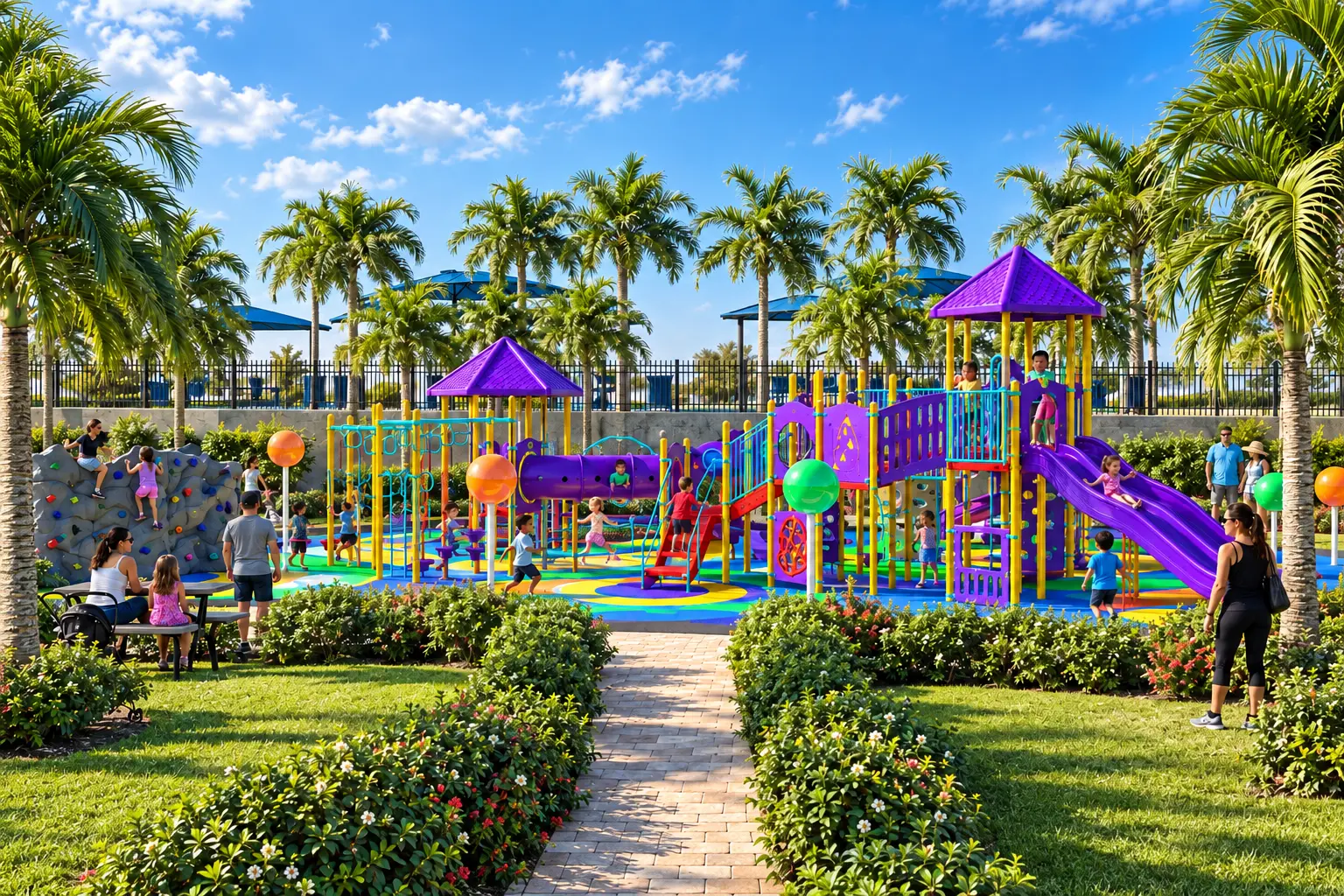
“Clients weren't hesitating on price. They were hesitating because they couldn't see what they were buying.”
Turning visualization into a growth lever.
Rather than treating 3D renders as a sales aid, the strategy made visualization the product differentiator itself, expanding what the business could confidently propose and letting clients approve larger, more ambitious projects than a flat quote ever could.
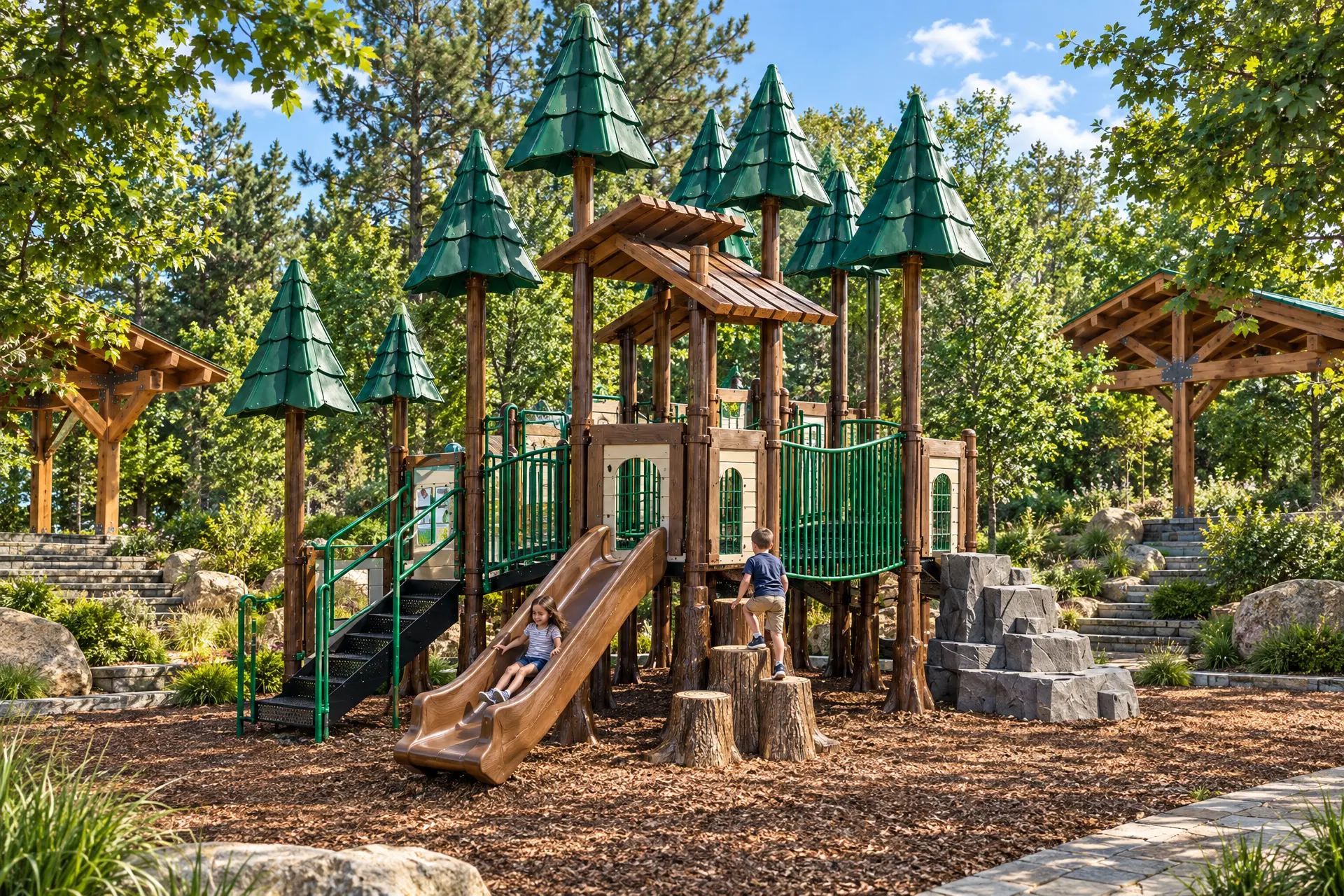
Why build the full environment, not just the equipment?
Showing the surrounding grounds, not just the playground structure, let clients evaluate the complete result, which increased approval confidence on larger projects.
Why expand into amenities and new products?
The same visualization pipeline that sold playgrounds could sell benches, waste receptacles, fitness equipment, and entirely new EPDM product lines, turning one capability into several new revenue streams.
From surfacing to a full product ecosystem.
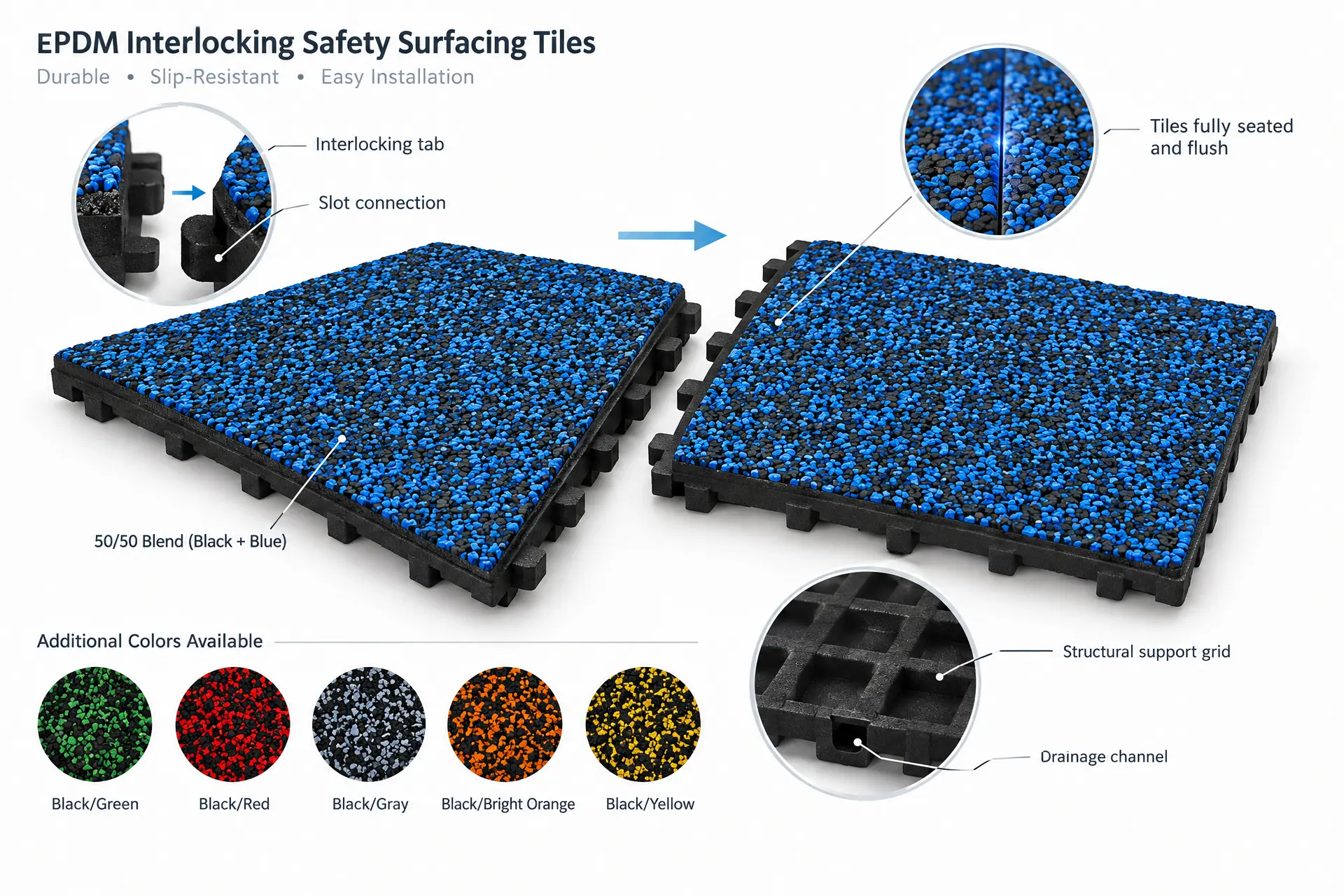
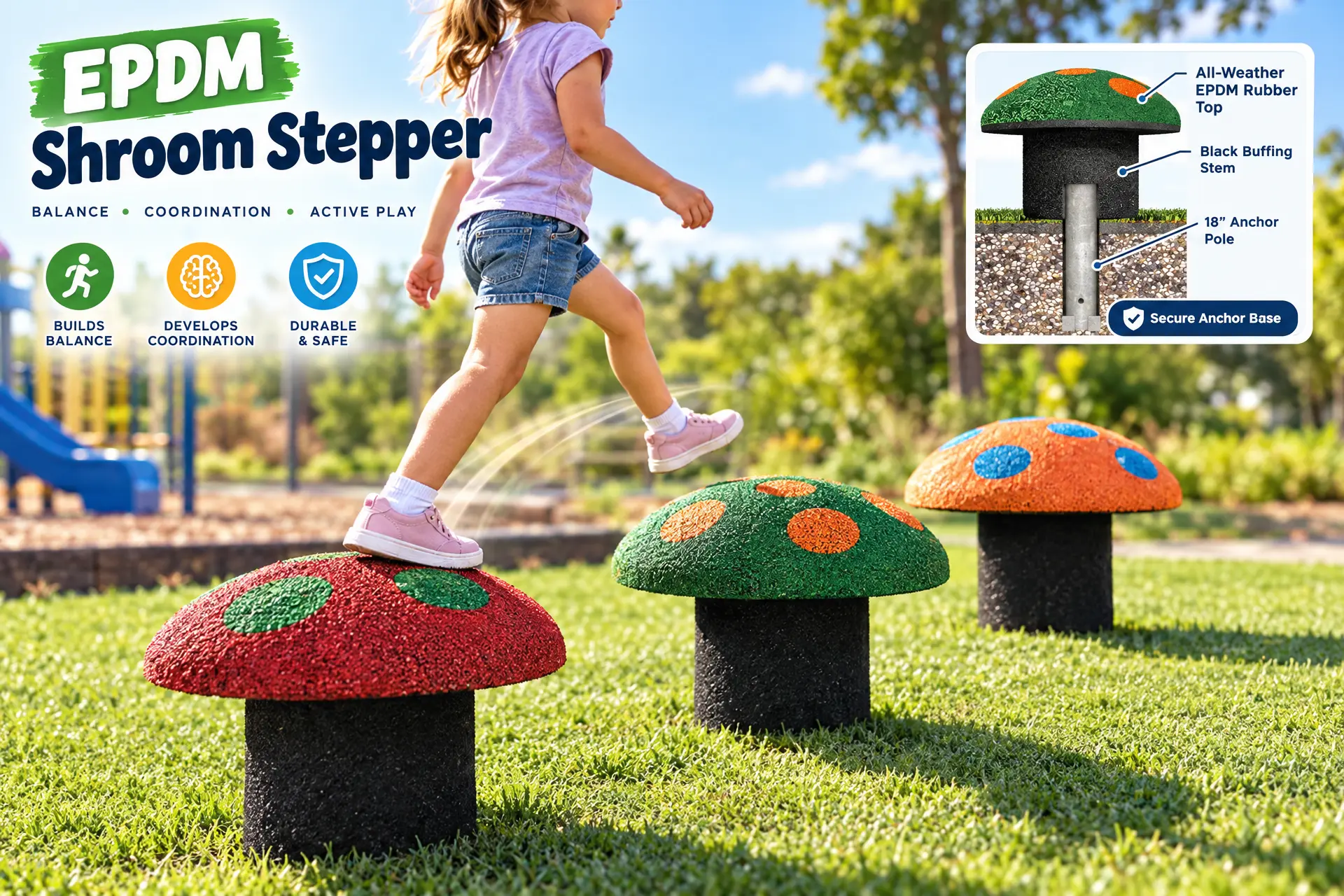
As the visualization capability matured, I built and led two ten-person teams, design and marketing, to support new demand. Together we developed new EPDM products, including the Shroom Stepper, a durable rubber activity designed for sitting, standing, and walking exercises that build balance and coordination, and an interlocking tile system. We took these products to trade shows across the United States. I created instructional animations showing how the interlocking tiles connected, and folded every new product directly into client-facing 3D presentations.
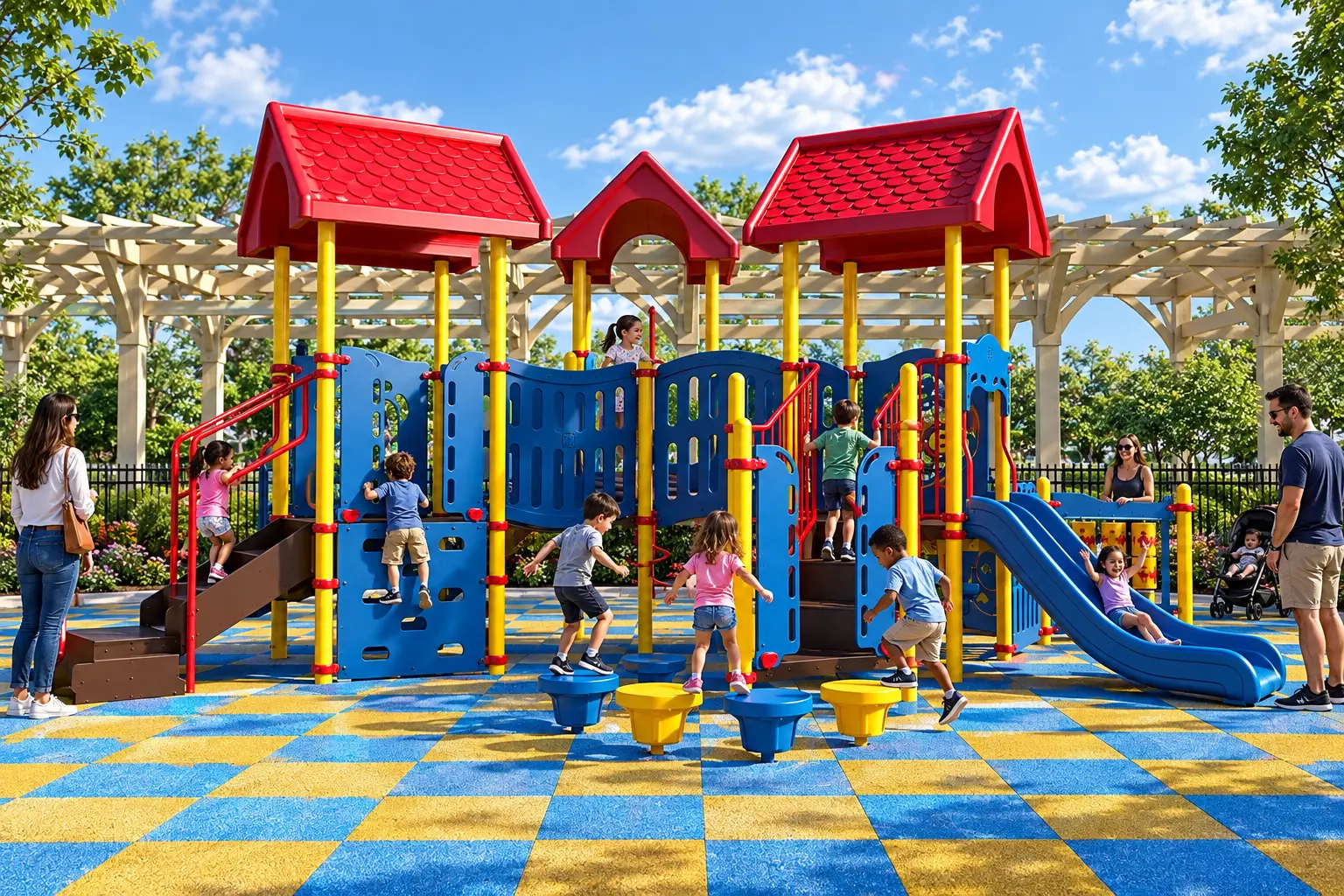
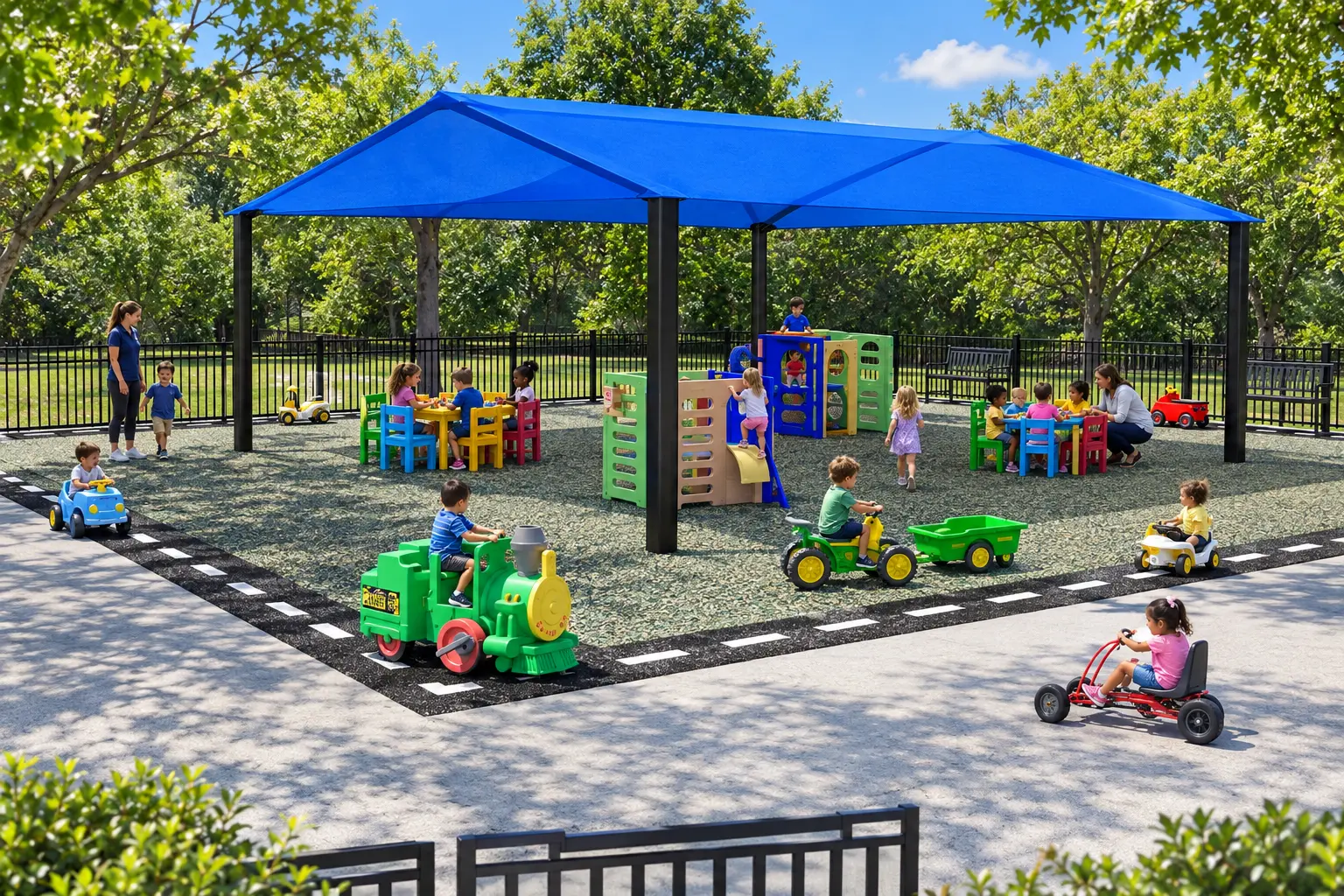
One visualization pipeline, multiple markets.
The same rendering and presentation model extended into new verticals, including commercial gym flooring, where the EPDM tile system was installed in custom color patterns beneath training equipment.
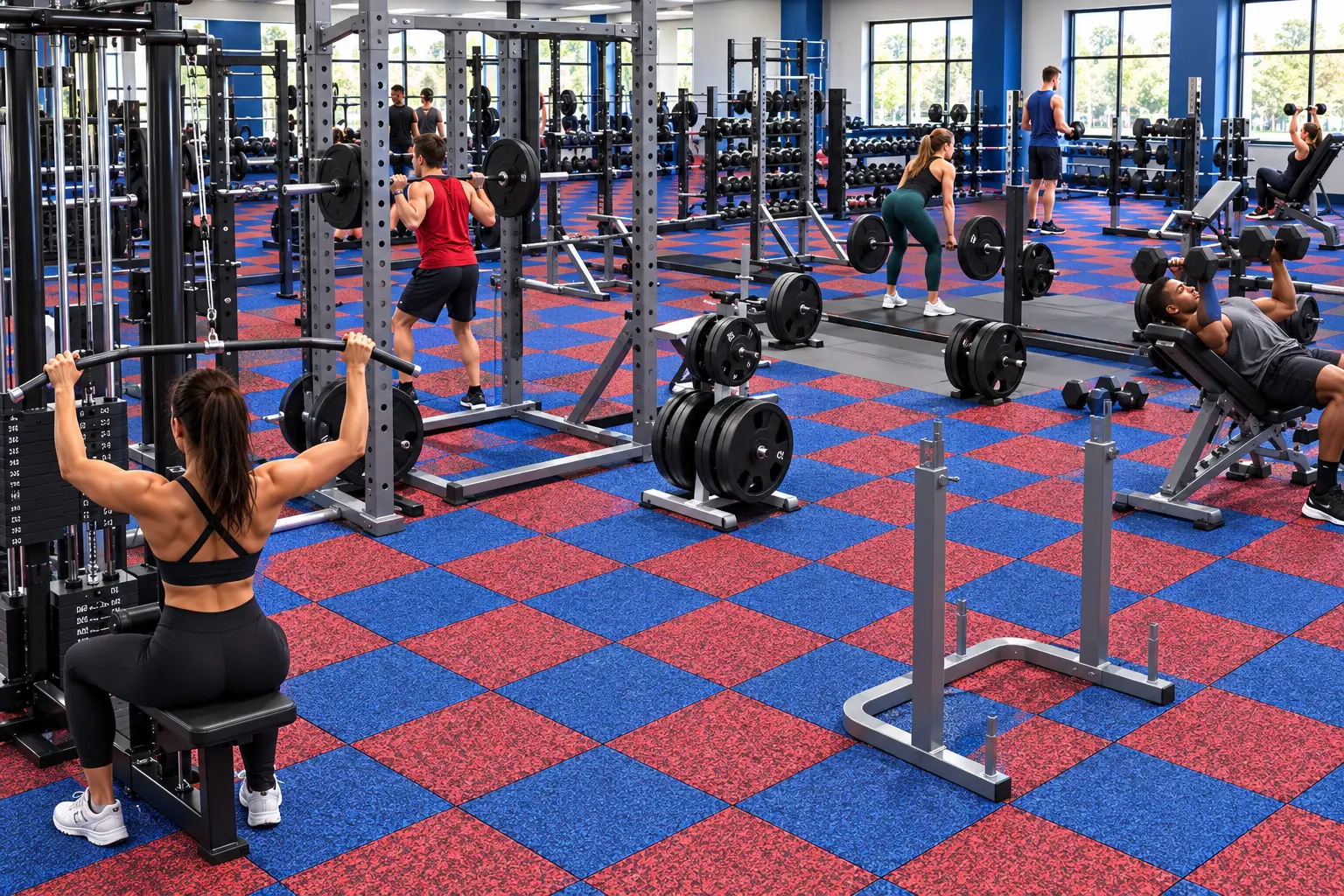
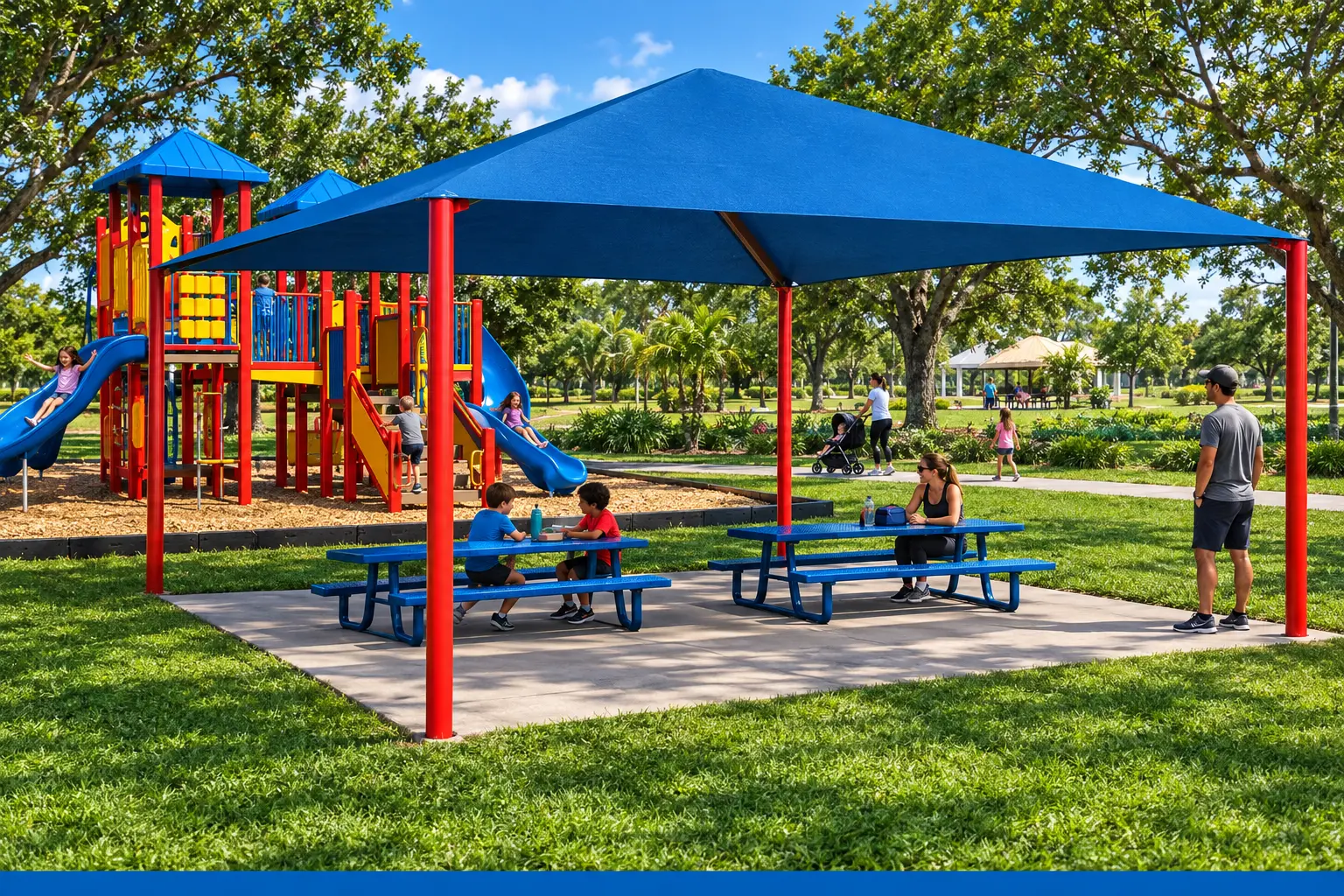
Measured product impact.
Building visualization into the sales process produced measurable growth across every stage of the business.
- Starting Project Value
- $5,000–$20,000
- Expanded Project Value
- $50,000–$3,000,000+
- Annual Revenue (Year 1 to present)
- $10,000,000+
- Teams Built
- 2 (Design, Marketing), 10 people each
- New Partnership Value Added
- +20% in 4 months
Figures reflect business growth tracked over multiple years at a specialty manufacturing company. Company, client, and partner names have been withheld to protect confidentiality.
Visualization wasn't the pitch. It was the product.
The ability to let a client see the finished result before committing changed what the business could sell and how large a project a client was willing to approve. Visualization became the growth engine, not a supporting sales tool.
This project reinforced something I've carried into every role since: people don't resist big decisions because of price, they resist because they can't picture the outcome. Building the tools to make that outcome visible, tangible, and trustworthy turned a small surfacing business into a multi-million dollar operation, and it's the same principle behind every design system and product I've built since.