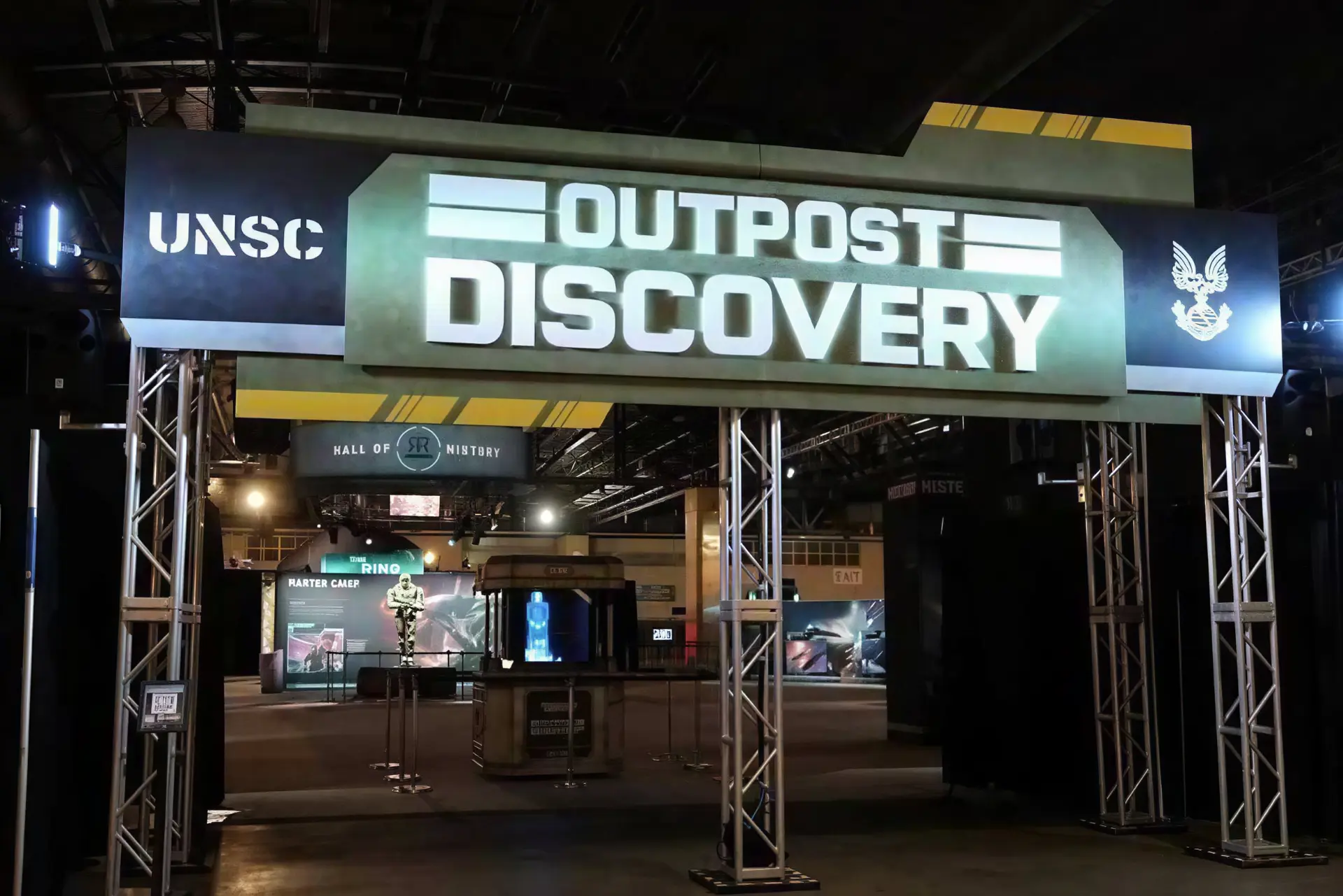
Halo: Outpost Discovery, Building a World That Had Never Existed Before
3D design, CAD engineering, and cross-disciplinary production for an award-winning touring fan experience that brought the Halo universe to life for the first time.
- Role
- 3D Designer (3D Modeling, Concept Design, CG Animation, Lighting & Effects, CAD Engineering)
- Company
- Falcon's Creative Group
- Client
- Herschend Live & 343 Industries
- Recognition
- MUSE Award, Experiential & Immersive category
A universe that had never left the screen.
Halo: Outpost Discovery set out to do something that had never been attempted before, turn a video game universe into a full, physical, interactive live experience, one where fans could walk into the world of Halo and feel like real soldiers inside it, not just spectators at a themed event. There was no established playbook for translating a game's characters, creatures, vehicles, and environments into life-size, physically built, and CG-integrated reality across a touring format moving through five U.S. cities.
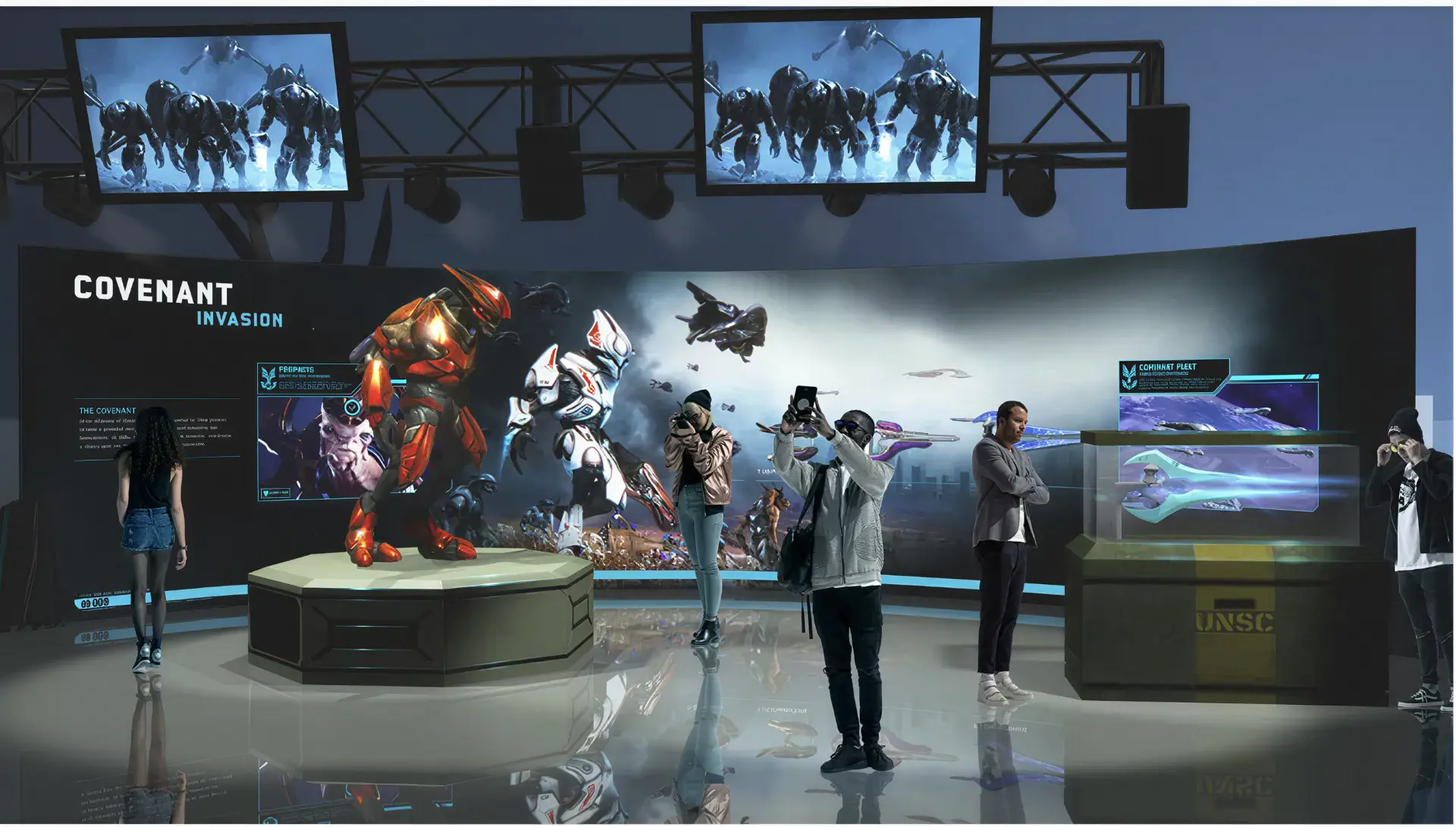
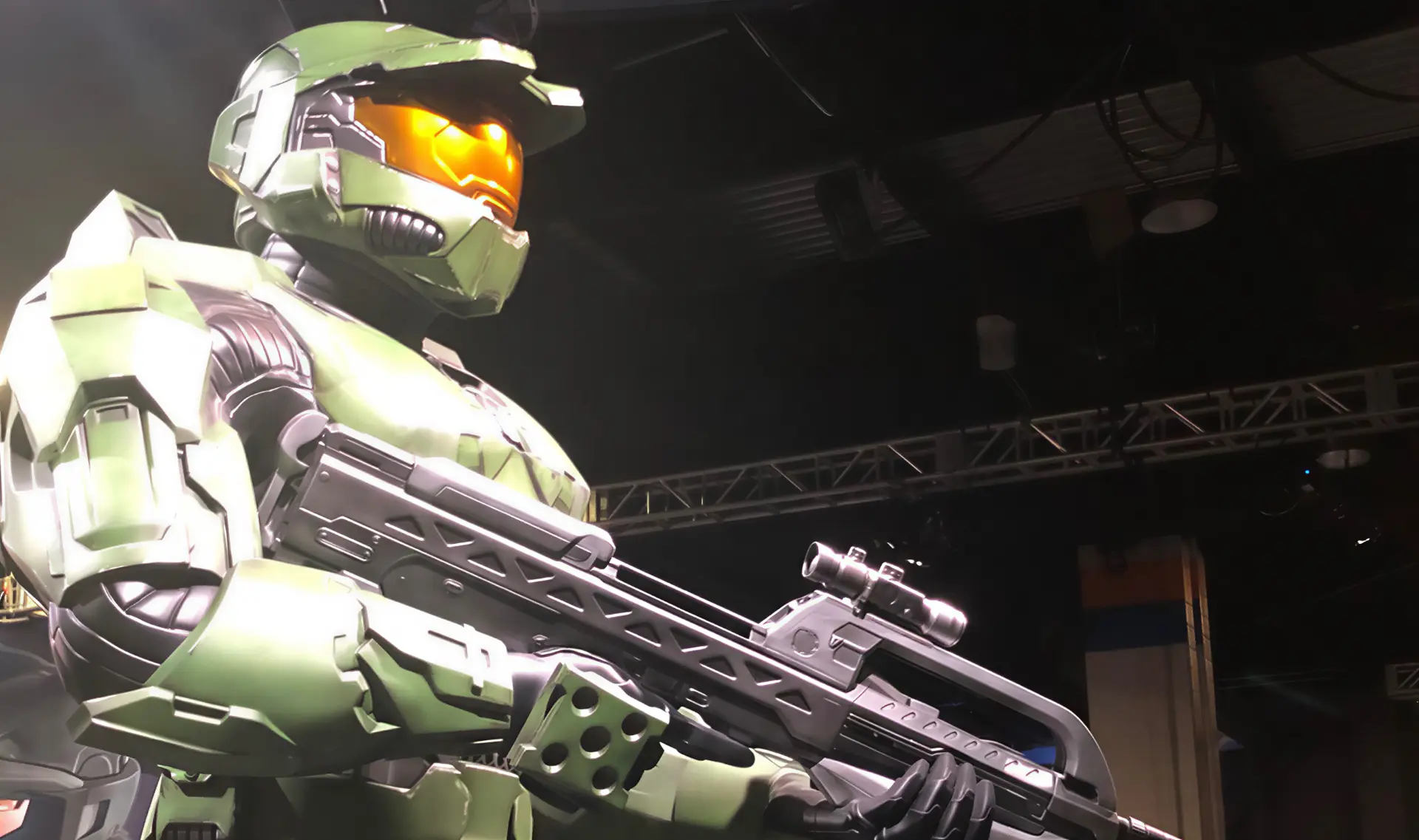
A production with no precedent to build from.
The project brought together narrative and story development, concept art, 3D modeling, CG animation, lighting and effects, sound and music, post-production, and CAD engineering into one coordinated production, translating a completely fictional universe into something that felt physically real, lit, textured, and built to hold up under the scrutiny of a passionate, detail-obsessed fan base.
Working across disciplines, not just within one.
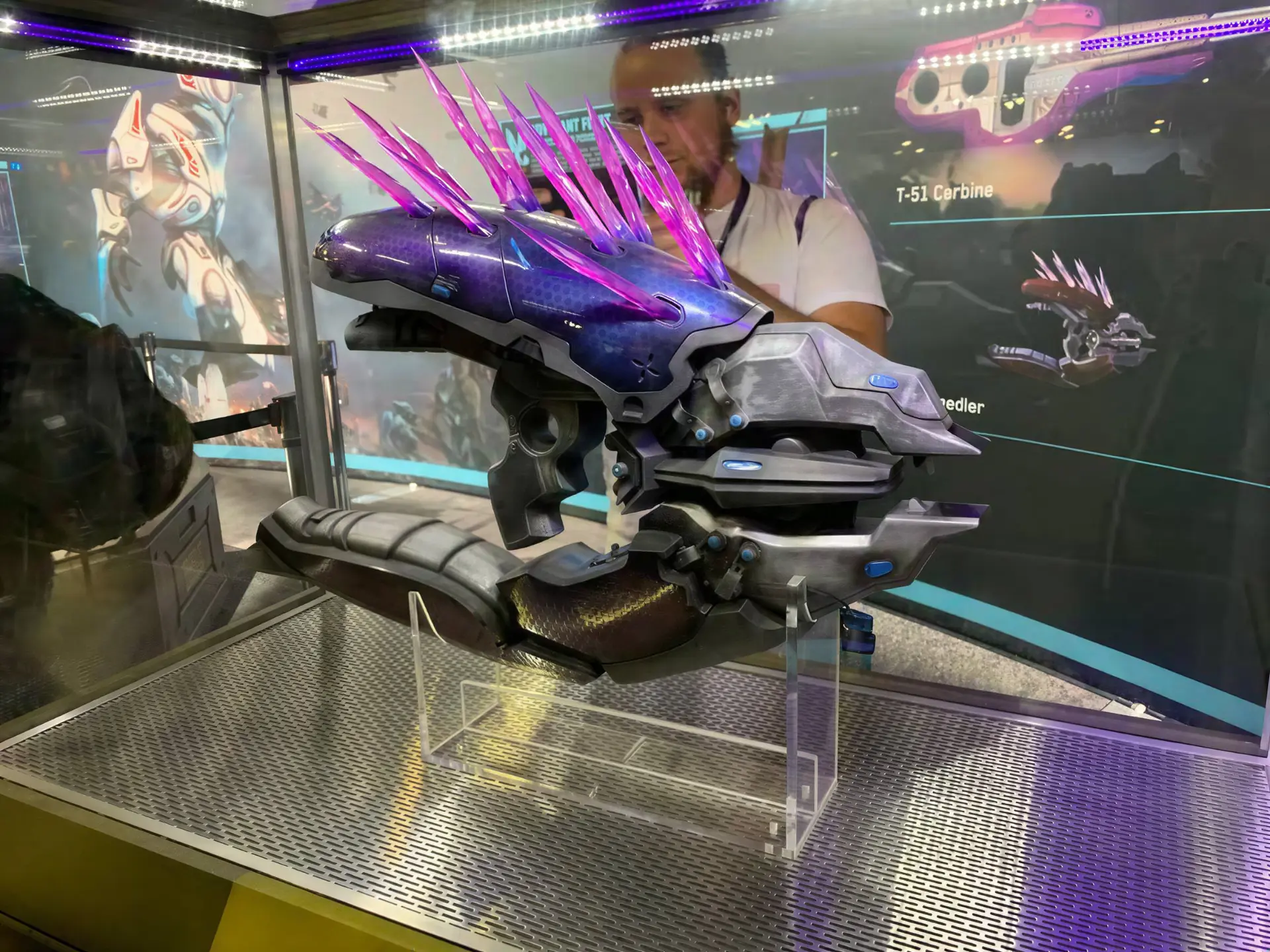
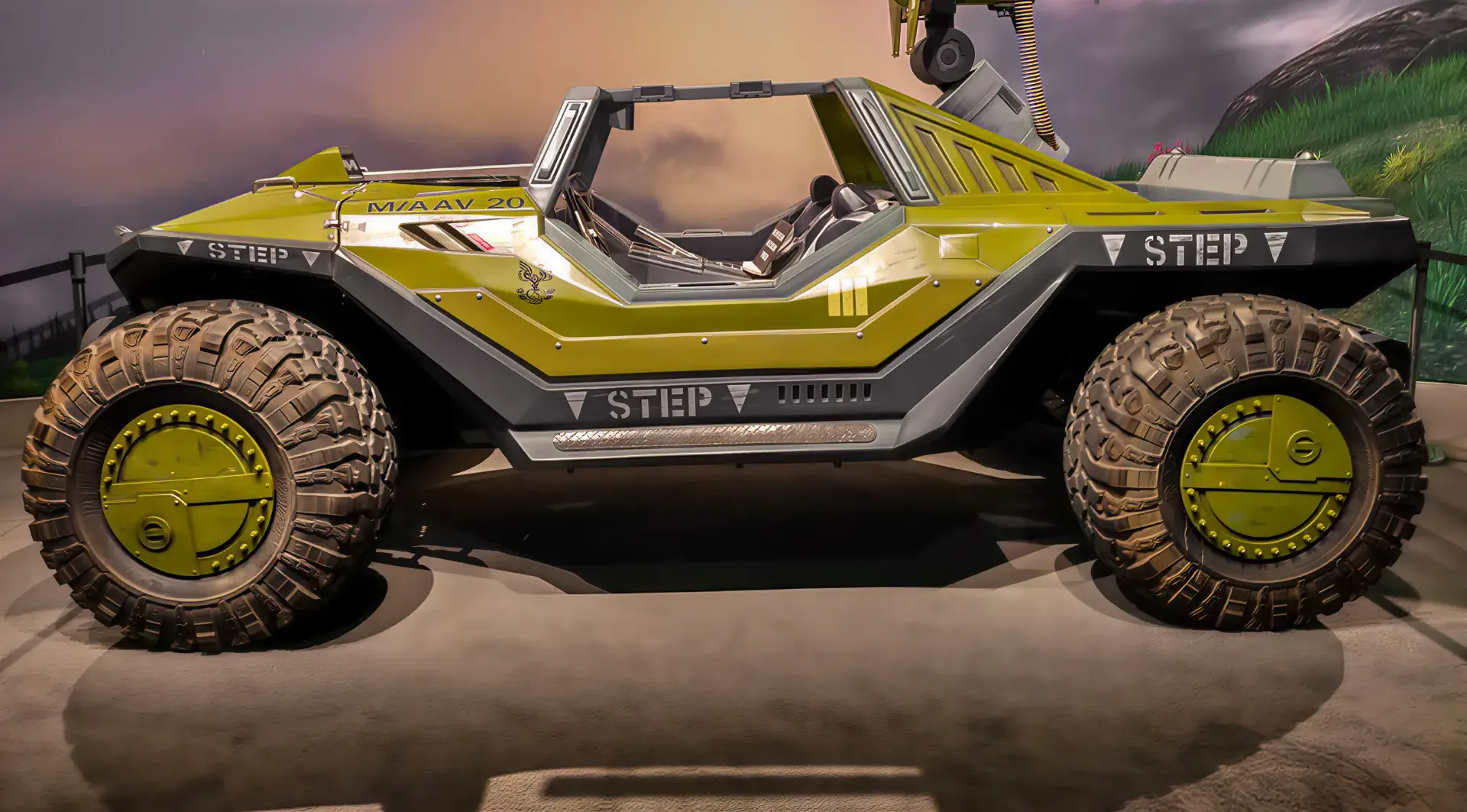
I worked within a core 3D modeling team of seven people, responsible for the 3D design of the experience, modeling, concept design, and texturing of every character, creature, vehicle, and environment featured in the exhibit. Because of cross-disciplinary knowledge beyond my core team, I also contributed directly to CG animation, lighting and effects, concept design, and CAD engineering, the discipline responsible for translating digital models into life-size, physically buildable statues and set pieces.
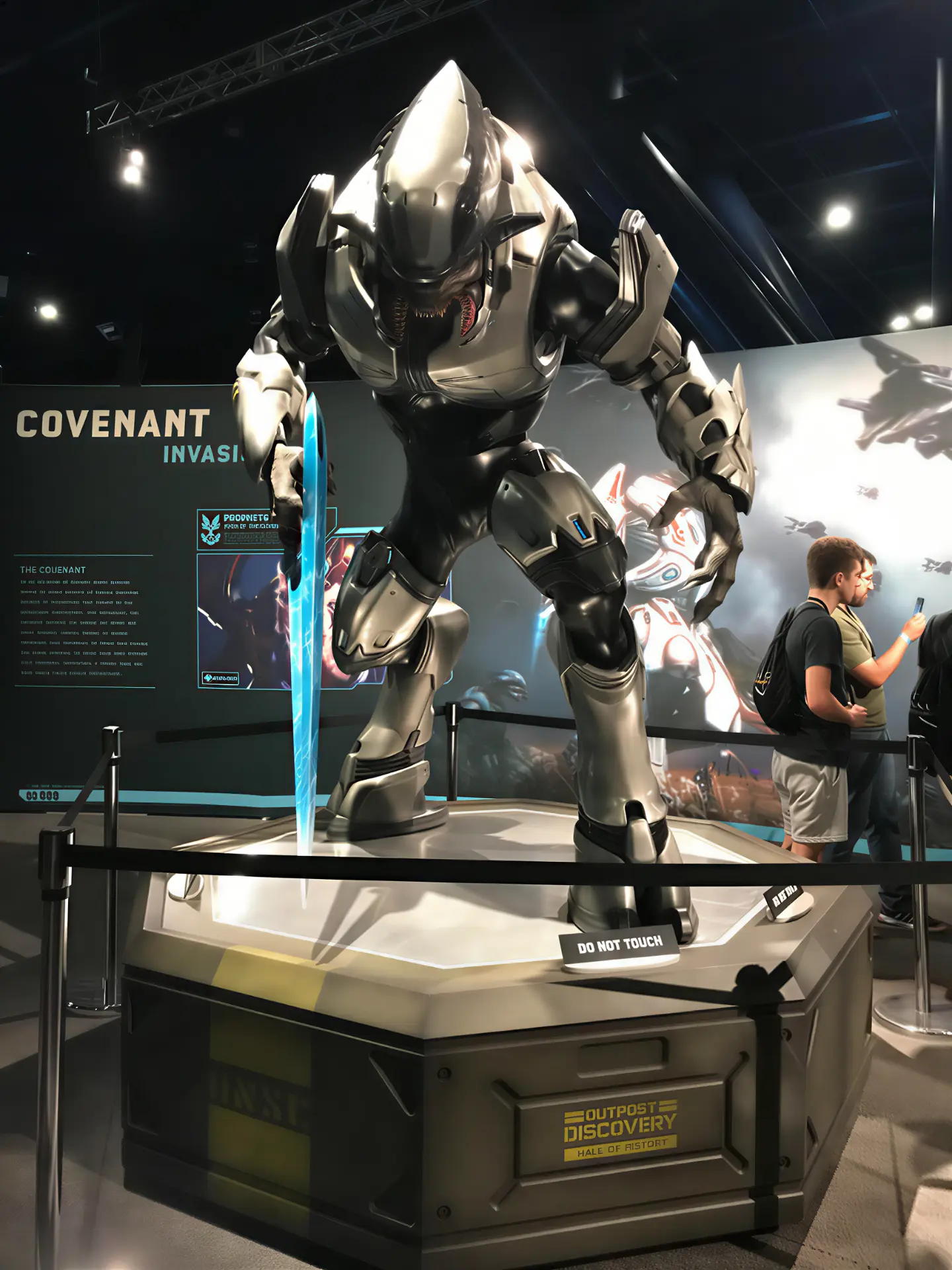
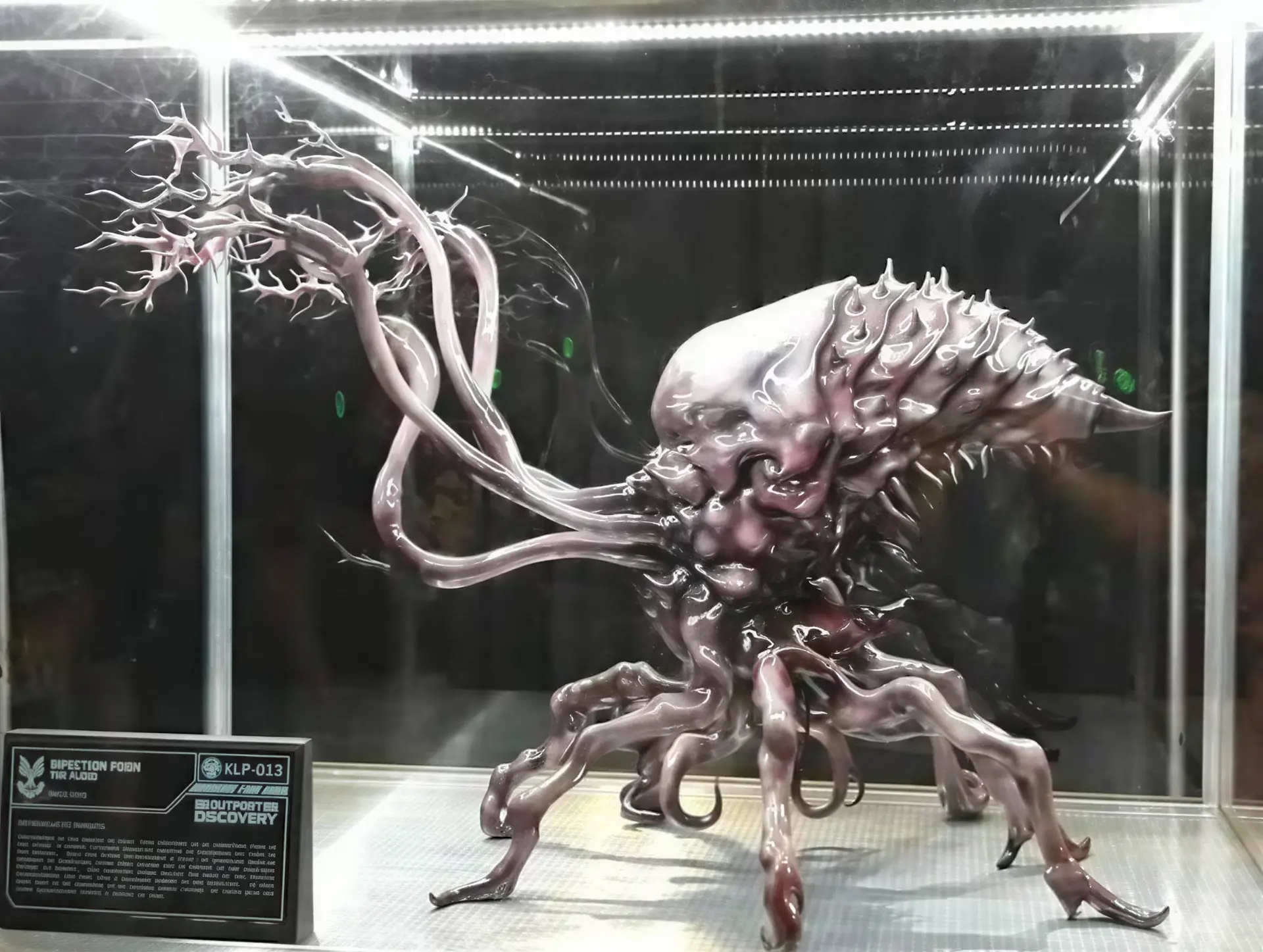
Designing for two realities at once.
Every design decision had to work in two completely different contexts at the same time, as a digital model that read correctly on screen and in CG, and as a physical, engineered, life-size build that could tour five cities and survive real-world handling.
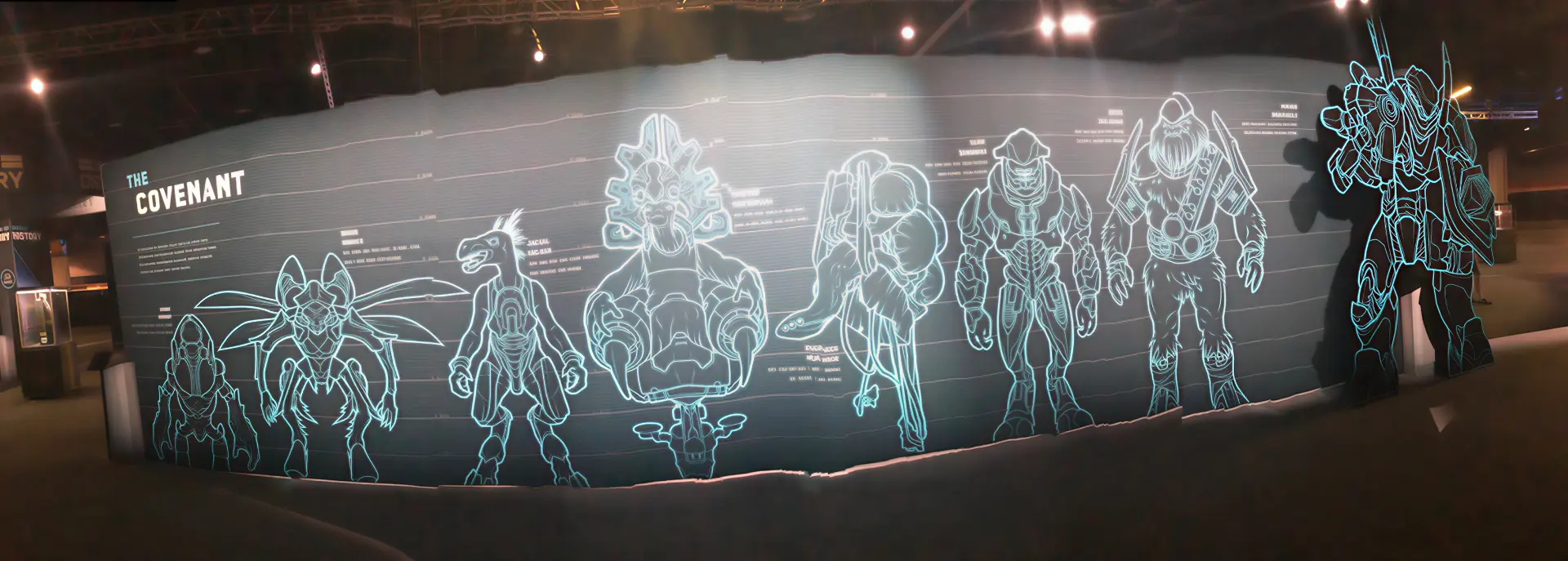
"Nothing about this had been done before. Every discipline had to hold up on its own and still connect seamlessly to everyone else's."
Moving fluidly between digital and physical.
Rather than staying confined to one discipline, I moved between digital modeling and the physical engineering constraints required to build those same designs as real, walkable, touring installations, work that spanned concept, modeling, animation, lighting, and CAD engineering on the same project.
Why did craft need to hold up across every discipline?
Halo's fan base is deeply familiar with every detail of the universe. Any inconsistency between the narrative, the physical build, the animation, and the lighting would have been immediately obvious to the audience the experience was built for.
Why the dome-based Ring Experience?
Falcon's signature contribution, The Ring Experience, was a dome-based, multi-projector theatrical presentation that let guests fly into the mystery and scale of Halo's ringworlds from a perspective no one had experienced before, requiring the same discipline applied across the rest of the exhibit: translating a fictional universe into something physically real.
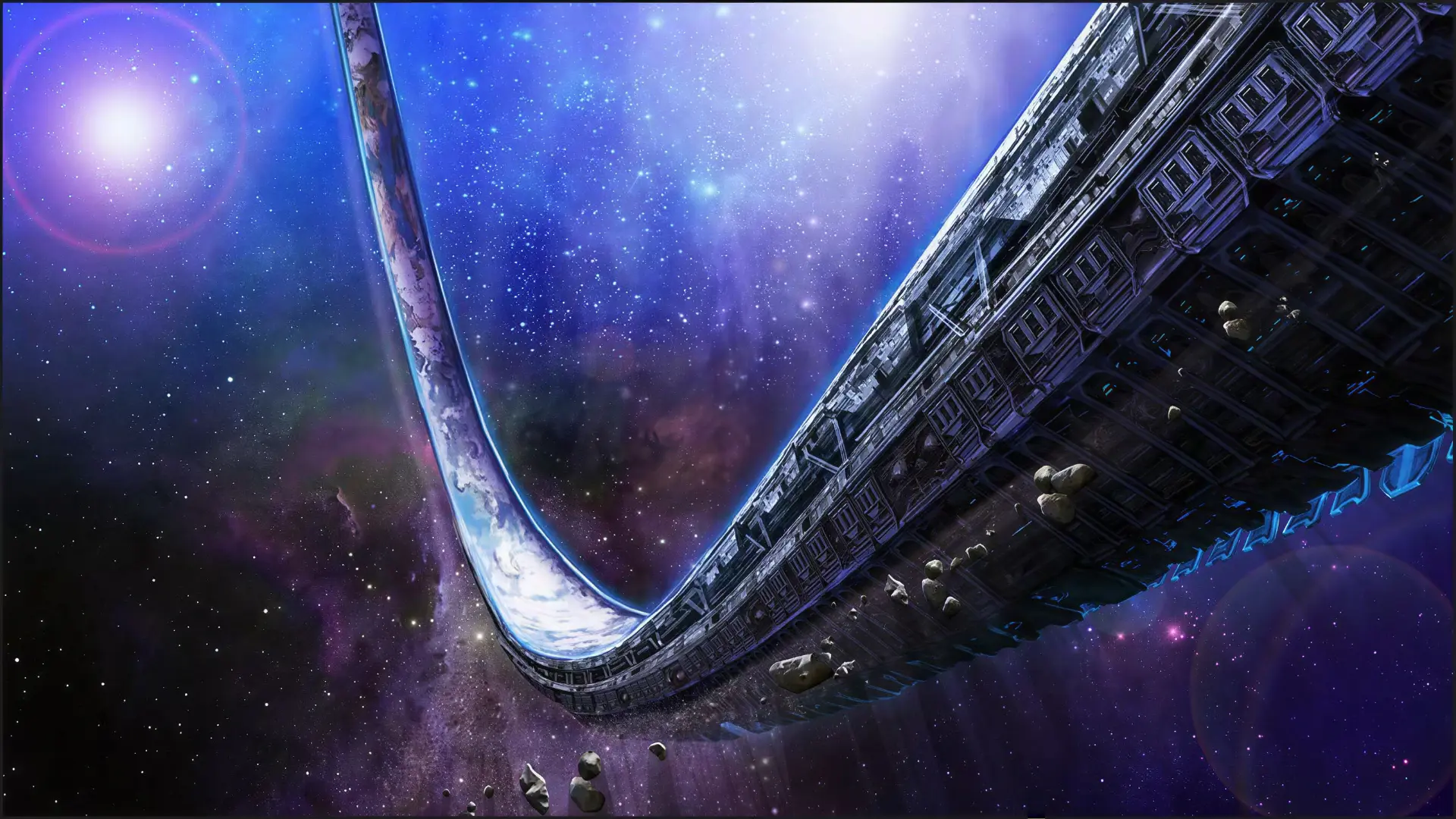
One touring production, many moving parts.
The full production combined narrative and story development, live-action film production, CG animation, visual effects, motion graphics, sound design, and interactive audio across five touring U.S. cities in 2019, giving fans of all generations a way to engage with the Halo franchise that had never existed before.
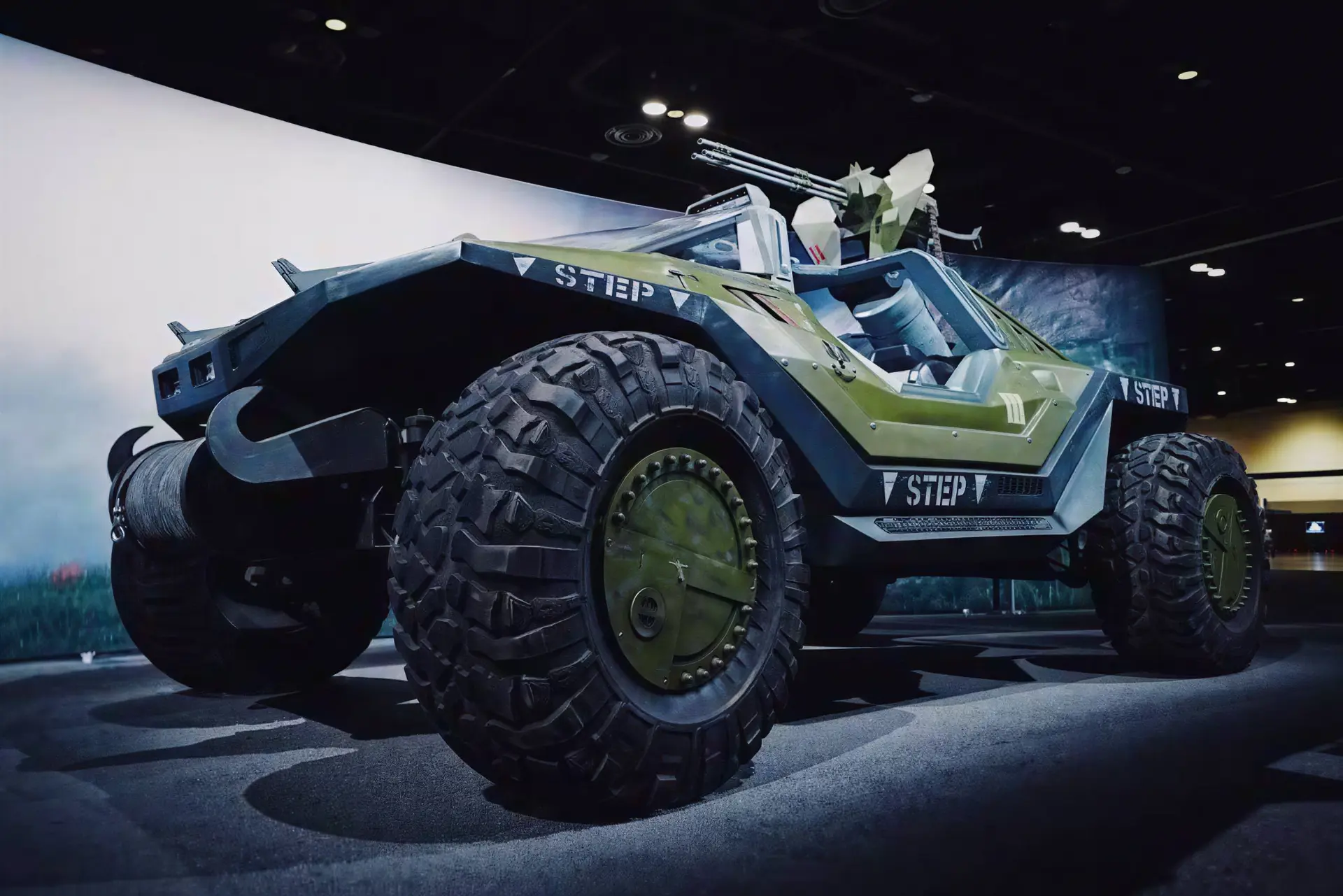

Measured impact.
Halo: Outpost Discovery's signature experience was recognized industry-wide for achieving something with no established precedent.
- Cities Toured
- 5 U.S. cities (2019)
- Core 3D Team
- 7 people
- Disciplines Contributed To
- 3D Modeling, CG Animation, Lighting & Effects, Concept Design, CAD Engineering
- Recognition
- MUSE Award, Experiential & Immersive category
Project and client details are publicly documented and shared with permission.
Craft has to hold up in every direction at once.
This project required designing for two realities simultaneously, screen and physical build, while staying faithful to a universe millions of people already knew intimately. That range shaped how I approach every complex system I've designed since.
This project taught me how to operate across disciplines under real physical constraints, not just design something that looked right on screen, but design something that could be built, lit, animated, and toured, while remaining faithful to a universe millions of people already loved. That range has shaped how I approach every complex system I've designed since.